CMS VILLAGE DEVELOPMENT
- HOME
- CMS VILLAGE DEVELOPMENT
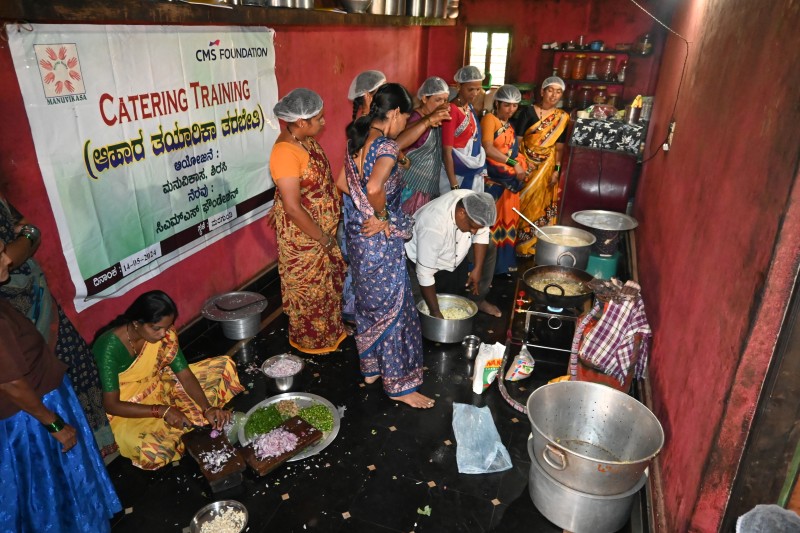
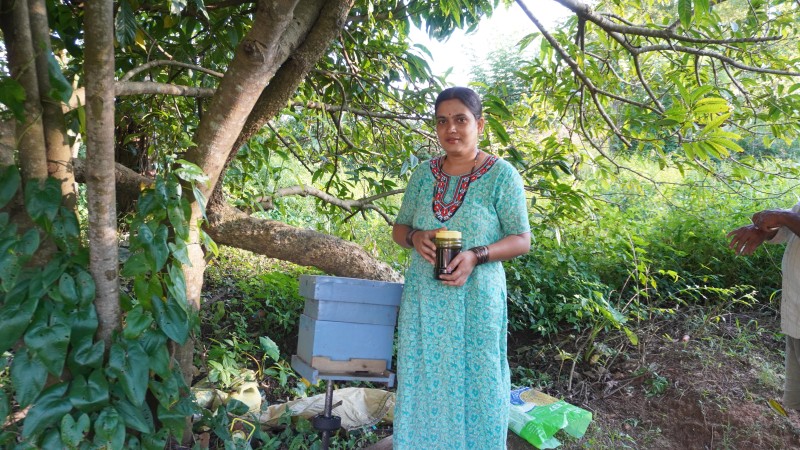
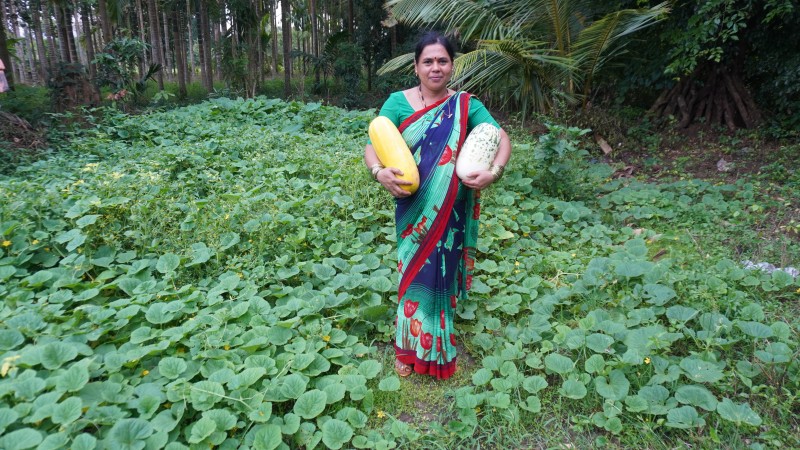
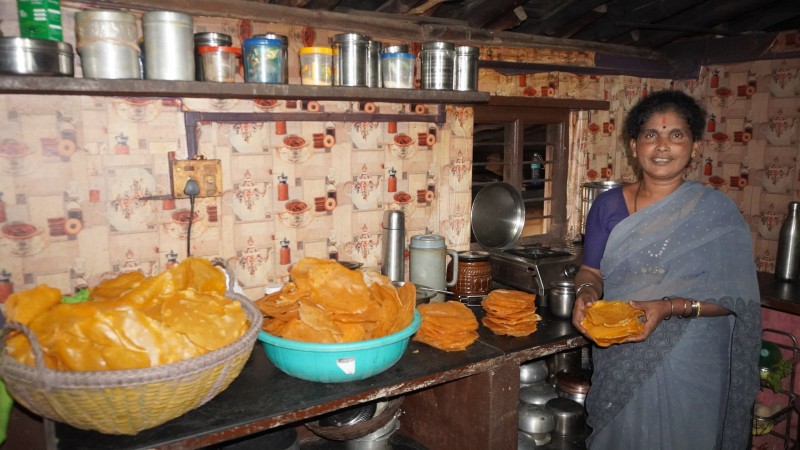
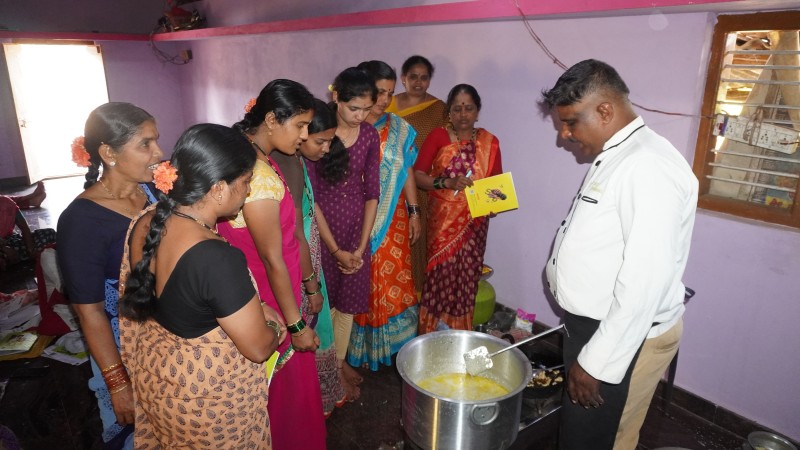
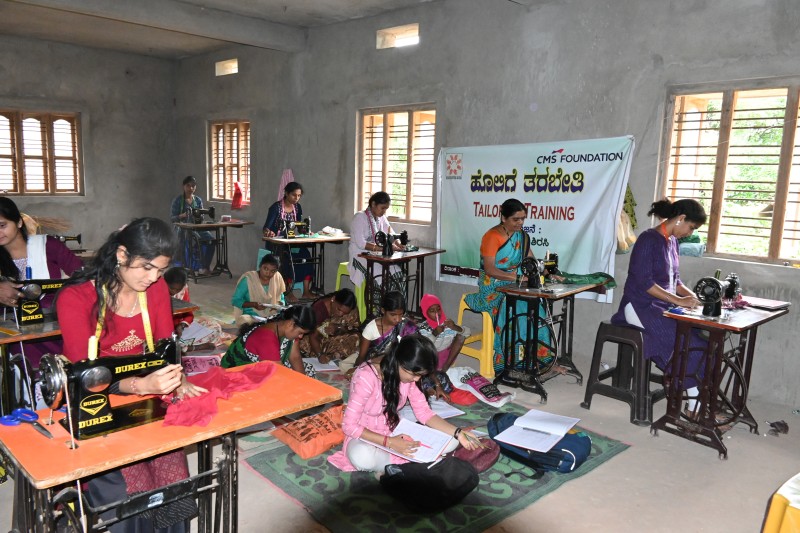
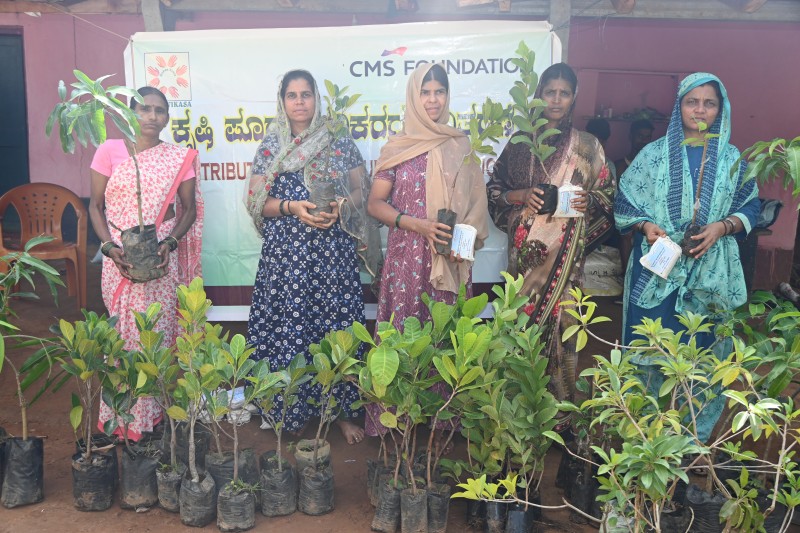
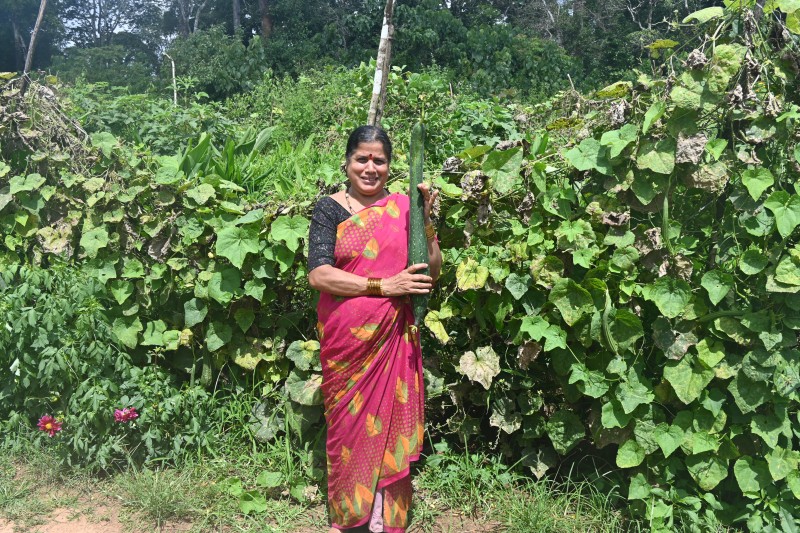
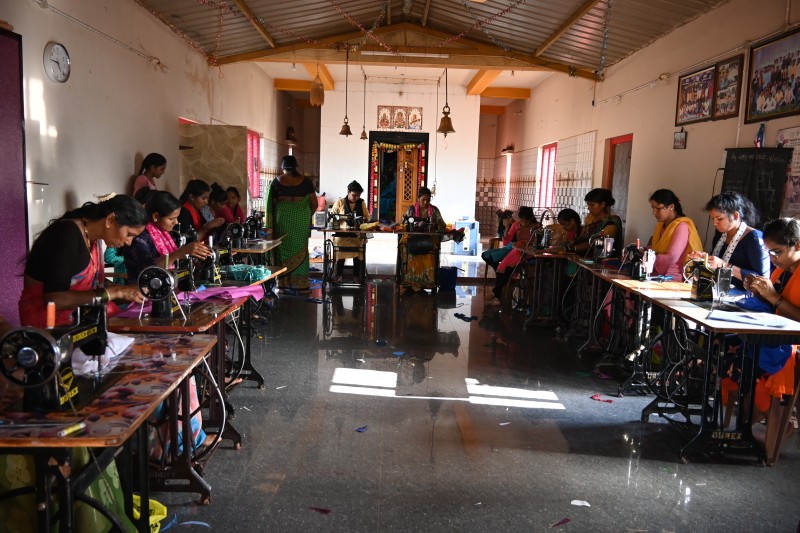
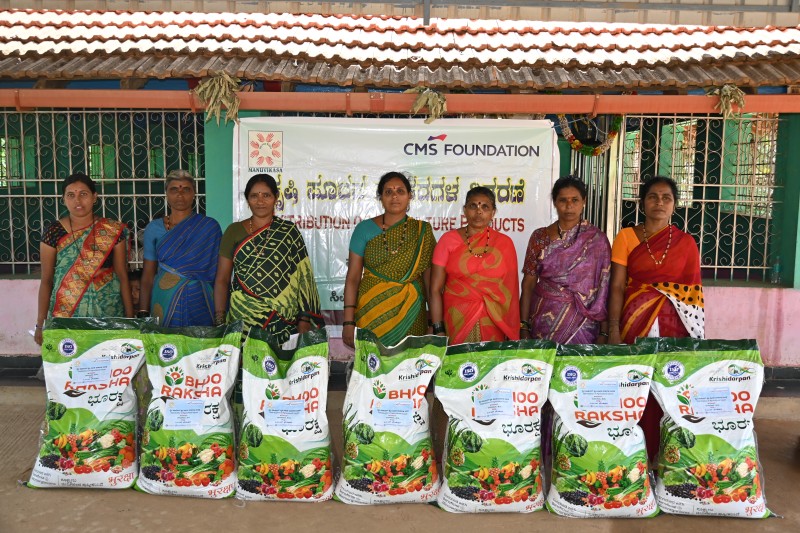
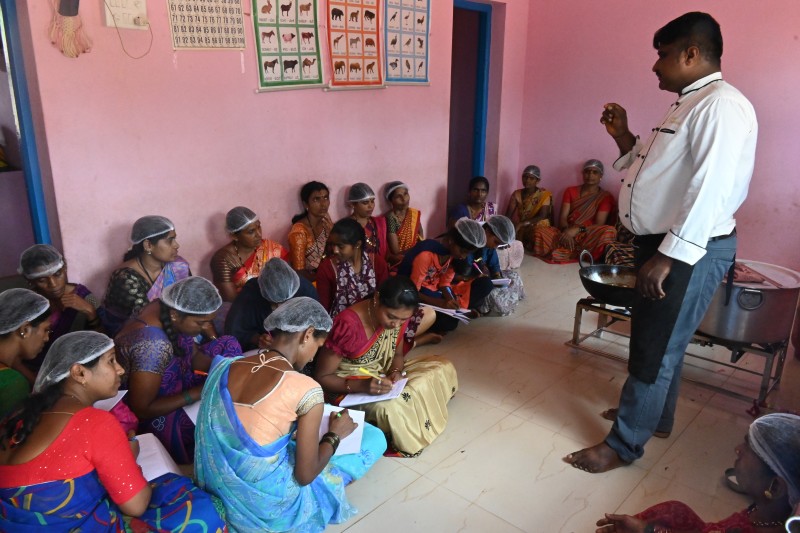
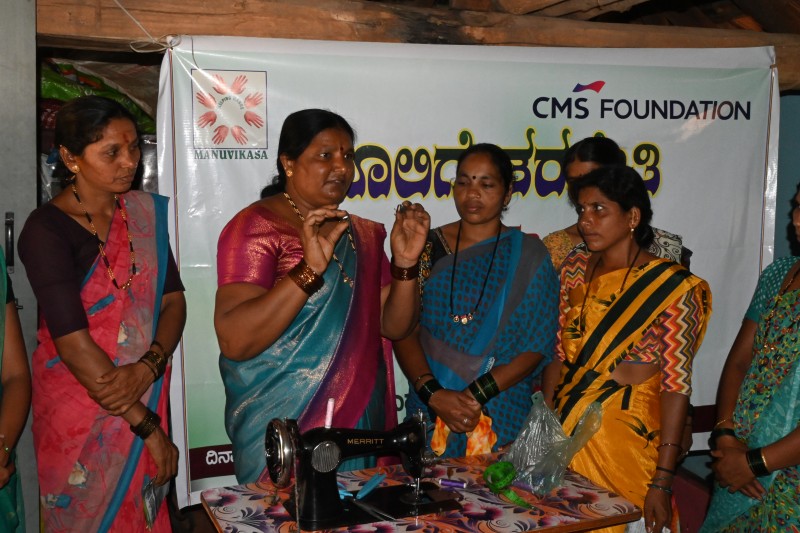
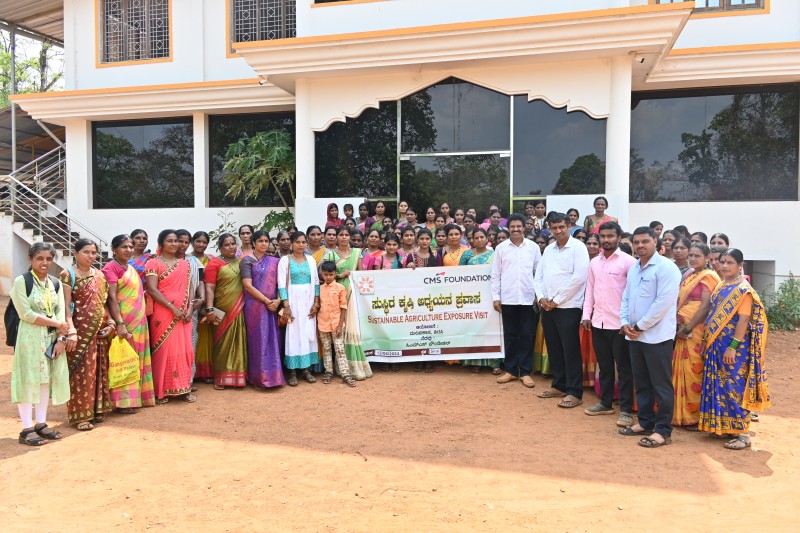
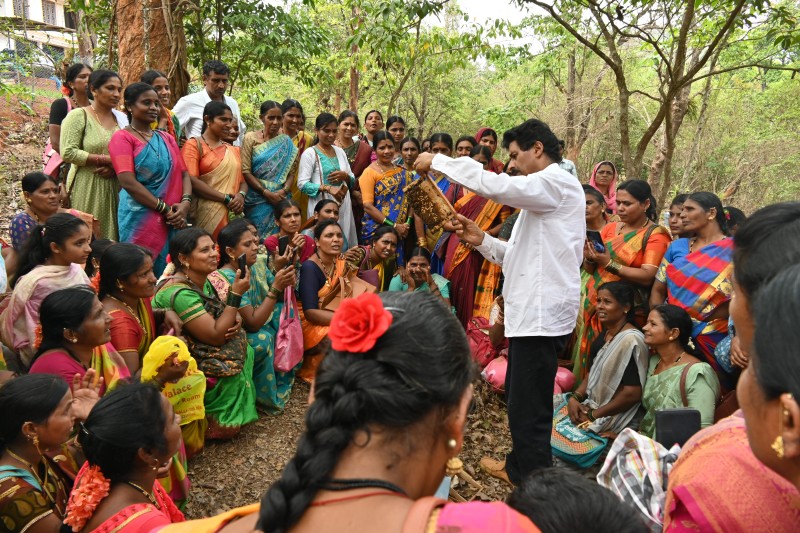
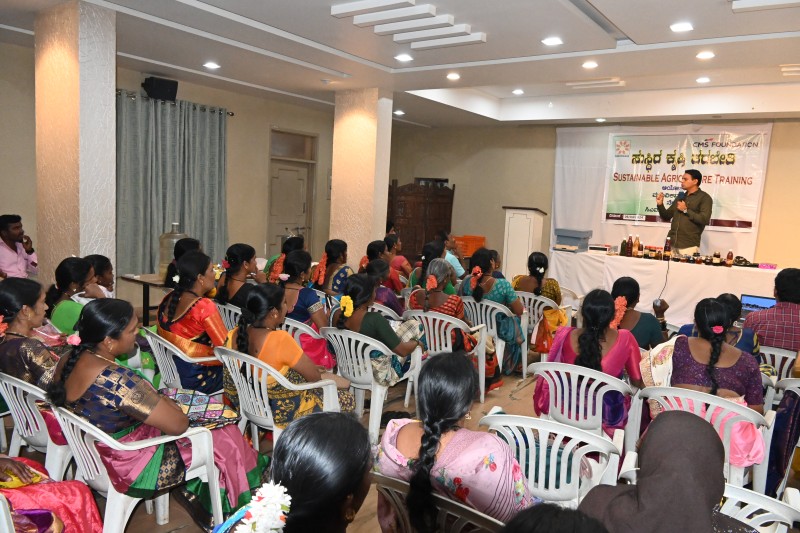
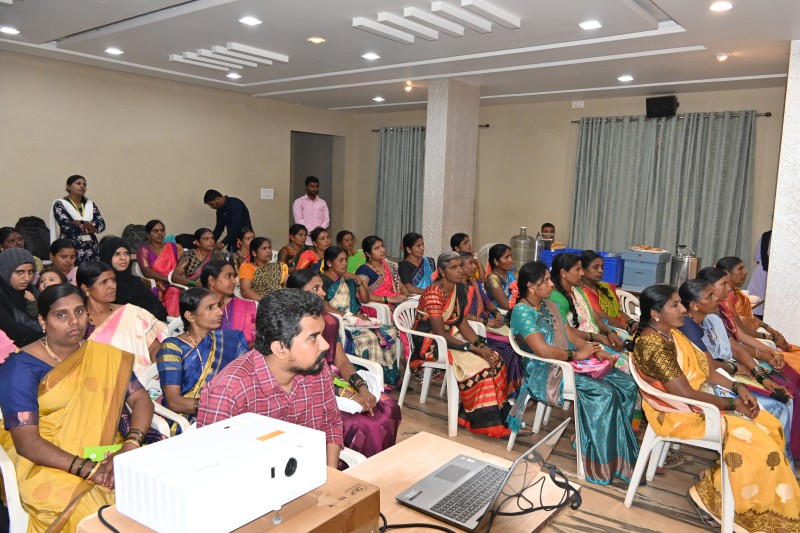
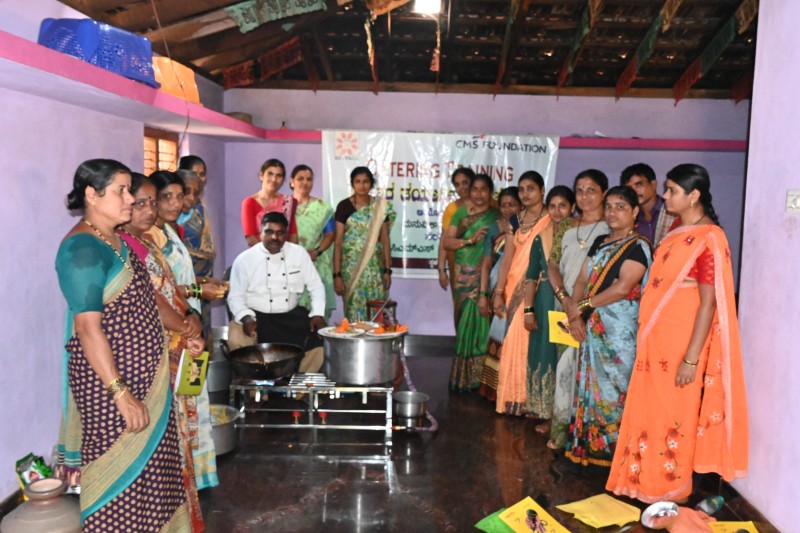
MANUVIKASA, with over 21 years of impactful work, began its partnership with CMS Info Systems Private Limited on October 1, 2019, marking a significant milestone in advancing rural development. In the first phase, the partnership rejuvenated 8 lakes, benefiting 181 farmers and irrigating 553 acres with an annual water harvest of 57 million liters. The second phase expanded efforts across Sirsi, Mundgod, Hanagal, and Sorab blocks, rejuvenating 10 lakes, excavating 70,753 cubic meters of silt, and benefiting 355 farmers over 1,355.94 acres with 70.75 million liters of water harvested annually. The third project directly impacted 316 families and 1,574.77 acres across 8 villages, harvesting 57 million liters of water. In the fourth and fifth phases, the focus shifted to women’s empowerment—training 160 women on sustainable agriculture and improving the livelihoods of 260 rural women through agriculture training, exposure visits, and skill-building in catering and tailoring. Currently, MANUVIKASA is implementing a transformative cluster-based initiative in Sirsi Block, Uttara Kannada District, aimed at enhancing sustainable livelihoods, skill development, women’s empowerment, inclusive education, and financial inclusion across 20 villages in this aspirational block.
Objectives of the Project:
- Promote sustainable agriculture, backyard kitchen gardens, and organic manure preparation to enhance food security and livelihoods of tribal, pastoral, and vulnerable communities.
- Introduce and expand backyard poultry initiatives to provide additional income and stabilize livelihoods against income fluctuations.
- Build women's capacity through digital literacy, self-help group promotion, and access to micro-loans to foster entrepreneurship and economic empowerment.
- Strengthen value chain management and improve market access for Non-Timber Forest Products (NTFPs) through existing Farmer Producer Organizations (FPOs).
- Organize health awareness campaigns and medical camps to improve health and hygiene standards in the community.
- Establish Information, Education, and Communication (IEC) centers to improve the educational competencies of children from tribal and vulnerable communities, especially in science, maths and English.
- Train and deploy community resource persons to sustain the cluster development approach and ensure long-term impact.
- Implement a holistic development approach in 20 villages, targeting tribal, pastoral, and vulnerable communities, including women, children, and farmers, to promote sustainability and resilience.
How does the project carry on?
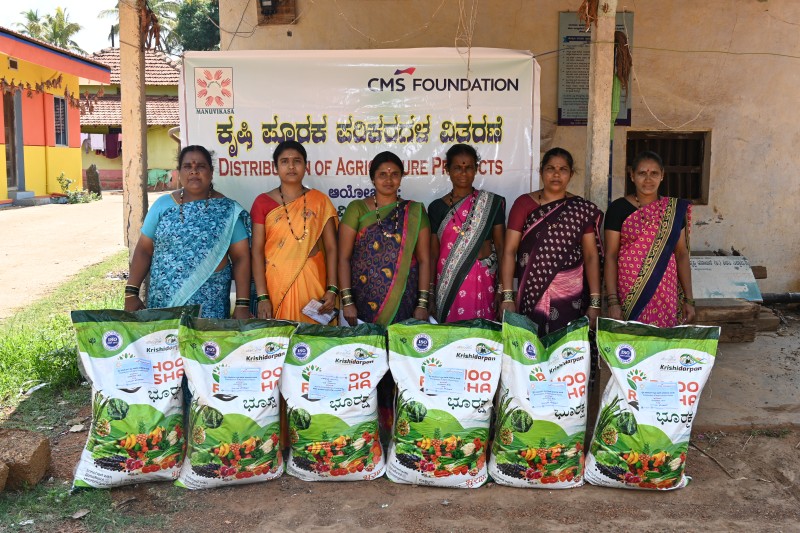
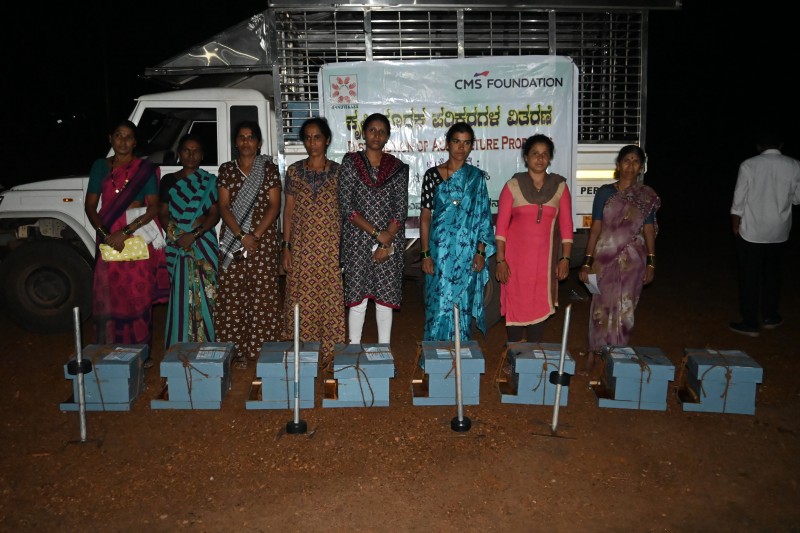
With the generous support of CMS Foundation, MANUVIKASA has launched a comprehensive rural development initiative aimed at empowering over 3,300 individuals across sectors like agriculture, livelihoods, women’s empowerment, health, and education. Key components include the promotion of kitchen gardens for 120 families to boost nutrition and reduce household expenses, and the development of backyard poultry units for 30 families, enhancing income resilience through diversified farming.
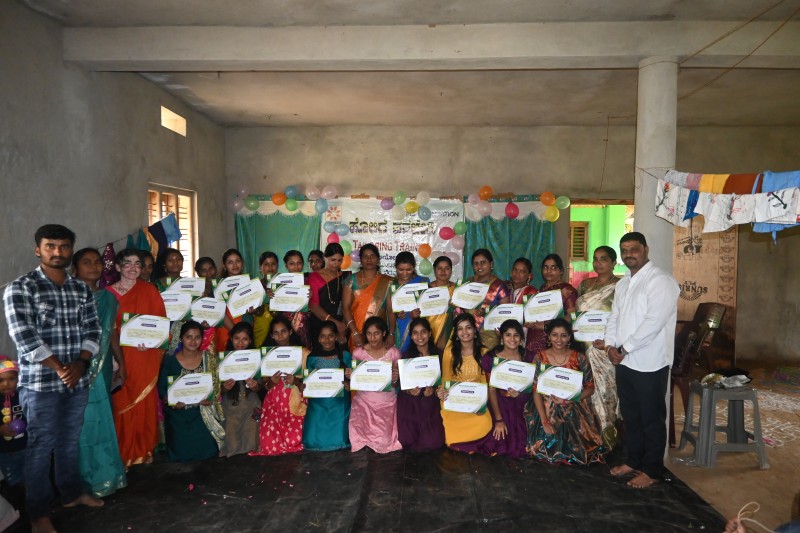
To strengthen women’s economic independence, skill training in tailoring and catering will be provided to 155 rural women, fostering entrepreneurship and livelihood opportunities. Addressing water scarcity, 10 farm ponds will be constructed, improving irrigation, groundwater recharge, and farm productivity.
In education, Integrated Education and Child Development (IECD) centres will be set up for 300 children, offering after-school learning support through a peer-based model. For digital empowerment, 1,200 SHG women will receive digital literacy training, enabling better access to financial services, information, and online tools.
Public health will be supported through health and hygiene awareness camps in 10 locations, reaching 500 individuals with basic health check-ups and preventive care education. Finally, 1,000 SHG women will be trained in SHG strengthening and financial inclusion practices.
Our Approach
MANUVIKASA follows a community-centric, cluster-based approach to rural development, rooted in participation, sustainability, and empowerment:
- Participatory Planning & Implementation
Community members, especially women, are involved in designing and monitoring every stage of intervention, ensuring relevance and ownership. - Cost Sharing for Sustainability
Beneficiaries contribute to initiatives like farm pond development, creating a sense of accountability and ensuring long-term use. - Local Leadership through CRPs
Trained Community Resource Persons (CRPs) mobilize villagers, conduct trainings, and provide handholding support—ensuring contextualized implementation and continuity. - Integrated Livelihood Support
Interventions span agriculture, skill training, financial access, health, and education—addressing interlinked barriers to prosperity. - Evidence-based Monitoring
Impact is tracked through MIS reports, GPS-tagged documentation, and beneficiary feedback. Quarterly updates are shared with stakeholders, ensuring transparency and learning.
MANUVIKASA Launches Inclusive Education and Communication Development Centres for 300 Children
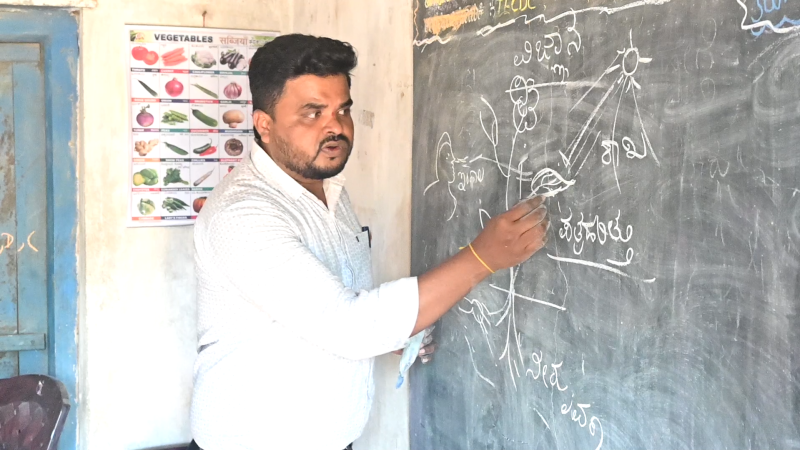
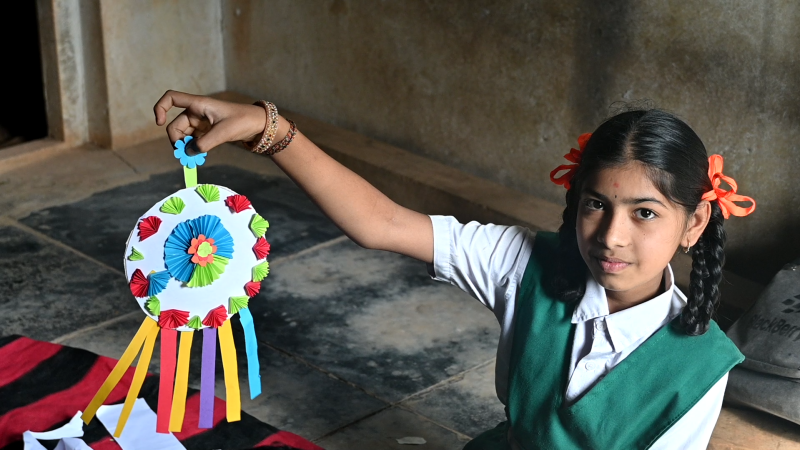
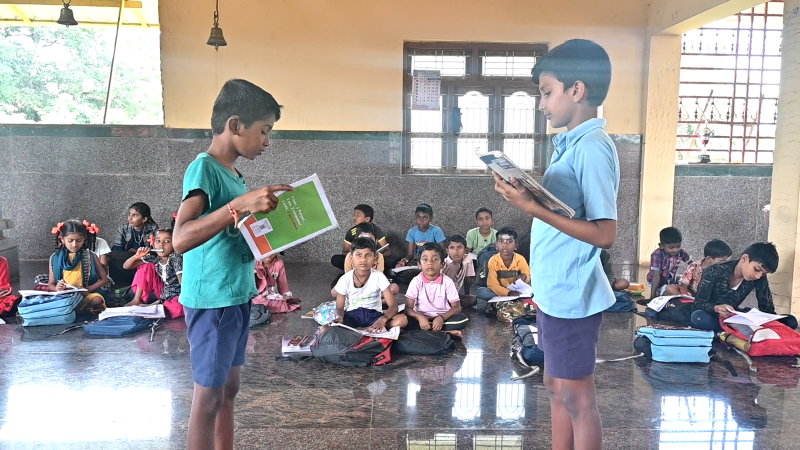
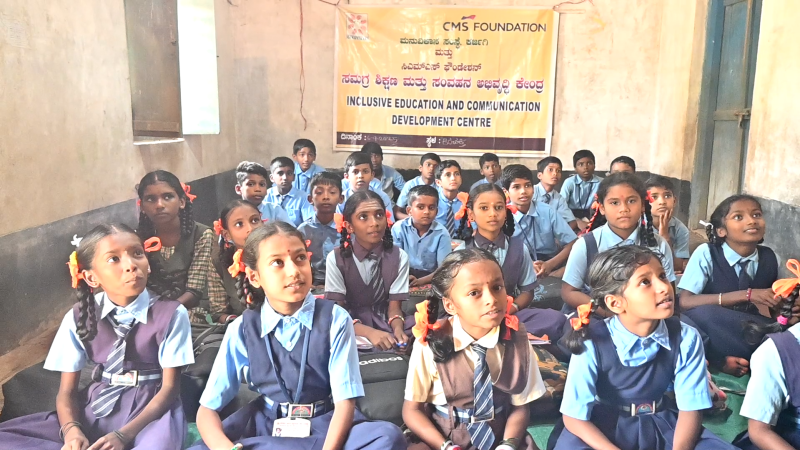
MANUVIKASA has taken a remarkable step toward strengthening rural education by launching Inclusive Education and Communication Development Centres for 300 children with the support of CMS Foundation. These centres operate after regular school hours and provide additional learning support in Science, Mathematics, and English, three core subjects that shape a child’s academic foundation and future opportunities. These centres have been established at Bilur, Malanji, Kandraji, Ajjarani, Kirawatti, Hebbatti, Bhaashi, Gudnapur, Rangapura, Bisalakoppa and Andagi.
The initiative is designed to bridge learning gaps that many children face due to limited individual attention in crowded classrooms or lack of academic support at home. By creating a nurturing and inclusive environment, MANUVIKASA ensures that every child—regardless of learning level, background, or challenges—receives personalized guidance. The centres emphasize activity-based learning, hands-on experiments, problem solving, and interactive communication exercises, helping children gain both conceptual clarity and confidence.
School teachers across the region have expressed deep appreciation for this initiative. They have observed noticeable improvements in the students’ engagement, understanding of subjects, and classroom participation. Teachers also acknowledge that the centres complement the school curriculum effectively by reinforcing foundational concepts and encouraging curiosity among children.
Parents too are extremely happy with the transformation they see at home. Children are showing new enthusiasm for learning, completing homework more independently, and communicating more confidently. Many parents—especially those who struggle to assist their children with studies due to limited educational backgrounds—feel relieved and grateful that their children are receiving quality academic support in a safe and encouraging space.
Through this initiative, MANUVIKASA is not only enhancing academic performance but also nurturing future-ready learners who are equipped with critical thinking, communication skills, and self-belief. The Inclusive Education and Communication Development Centres represent a big step toward educational equity and empowerment, ensuring that every child has the chance to learn, explore, and succeed.